Add Row
Add Element
Colorful cartoon logo of Los Angeles South Bay, showcasing beaches and freeways.
update
SO BAY INSIDERS
update
Add Element
  • Home
  • Categories
    • Success Stories
    • South Bay Business Trends
    • Networking & Events
    • Funding & Growth
    • Local Business Spotlights
    • Tech & Innovation
    • Workforce & Employment
    • Startup Stories
    • City Highlights
    • Local News
    • Sports News
    • Things To Do
  • City Spot Light
  • South Bay Businesses
August 27.2025
1 Minute Read

How AI Can Boost Local SEO for Small Businesses

Did you know that 46% of all Google searches have a local intent? For many small businesses, appearing in local search results means the difference between obscurity and success. Small businesses today face a unique challenge: how to get noticed by nearby customers in an increasingly digital world. As more potential clients use maps, search engines, and “near me” queries to make buying decisions, local SEO isn’t just helpful—it’s essential. The good news? Artificial Intelligence (AI) can make this easier and more effective than ever before. This guide will break down exactly how AI can supercharge your local SEO, helping your business appear in local searches, rank higher, and draw in more loyal customers, all without requiring you to become an SEO expert.

A Surprising Look: How Local SEO Shapes Small Business Success

Did you know that 46% of all Google searches have a local intent? For many small businesses, appearing in local search results means the difference between obscurity and success.

When potential customers search online for services, “local SEO” dictates which businesses they see first. The impact is huge: showing up in local search results, featured in the local pack on Google Maps, and ranking in local directories can be the difference between growing your customer base or being overlooked entirely. For a small business, just one increase in local search ranking can mean hundreds of new visitors, phone calls, or foot traffic. Using the right SEO tools for local SEO helps boost your presence exactly where your audience is searching. AI-driven insights, from automated keyword research to business info updates, give small business owners a new edge—even if you have very little technical experience.

local seo small business owners reviewing digital marketing data in an office with SEO infographics on a monitor, business casual, soft daylight

What You’ll Learn: Unlocking the Power of Local SEO for Small Businesses

  • The fundamentals of local SEO and why it matters
  • Ways AI is transforming local search strategies
  • Top AI-powered SEO tools and resources
  • How to optimize your business profile and Google Business Profile using AI
  • Methods to measure and improve your local ranking using AI solutions

Understanding Local SEO: Meaning and Core Concepts

What does local SEO mean?

Local SEO stands for “Local Search Engine Optimization.” This is the process businesses use to make their digital presence more visible in geographically-related searches, such as “coffee shop near me” or “plumber in [city name].” Instead of targeting just generic search terms, local SEO focuses on connecting your business to customers looking for products or services within a specific area or neighborhood. The goal is to get your business to show up higher in local search results, Google Maps, and the local pack, where most people look first. Effective local SEO uses business info like your address, phone number, and reviews to help search engines understand what you offer and where you are located. In today’s competitive online environment, local SEO isn’t just for specialists—tools and AI solutions now make it accessible for any business owner who wants to attract more nearby customers easily.
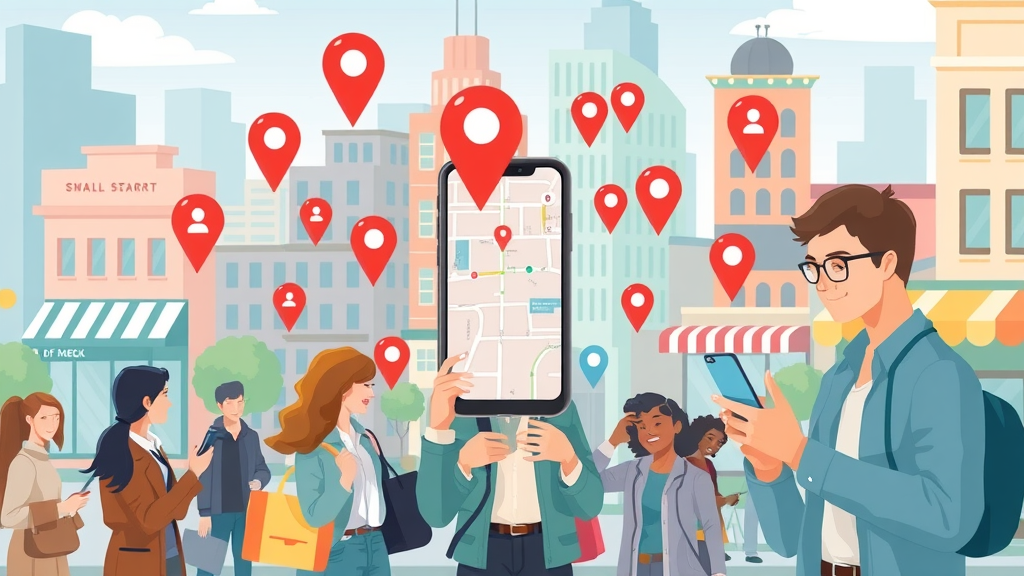
local search infographic with maps, location pins, small business storefronts showing local seo concepts

Local SEO vs. Regular SEO: Key Differences Explained

While both local SEO and traditional SEO aim to boost your business’s online ranking, there are critical differences. Regular SEO is all about improving your site’s position in global or national search engine results for broad keywords (“best running shoes”). Local SEO, by contrast, focuses your visibility on a specific area—customers nearby who are most likely ready to visit or buy. Local SEO relies heavily on business directory listings, review management, accurate business info, location targeting, and Google Maps presence, while standard SEO may focus more on content marketing and backlinks from across the web. Search engine algorithms use extra ranking factors for local businesses, like proximity, local pack presence, and name, address, and phone number (NAP) consistency. For most small businesses, local SEO delivers faster results with less competition, especially when combined with modern AI tools and strategies.

The Importance of Local Search for Small Businesses

Local search is a lifeline for small, independent businesses trying to compete with larger brands. A study reveals that 76% of people who search for something nearby visit a related business within a day. If your business doesn’t appear in these near-me or location-based queries, you’re losing real, ready-to-buy customers. Investing in local SEO increases foot traffic, receives local reviews, and connects you to high-value customers. With AI and the latest SEO tools, managing your Google Business Profile, tracking your local ranking, and updating business info is more efficient, reliable, and impactful than ever. The right local SEO strategy ensures your business is front and center—right where neighboring customers are most likely to pick you.

How AI Is Transforming Local SEO Strategies

AI and Local SEO: An Overview

Artificial Intelligence (AI) is reshaping how local businesses approach digital marketing and local SEO. Unlike traditional methods, AI-driven tools analyze vast amounts of data to understand how, when, and why customers are searching in your area. These technologies speed up keyword research, scan competitors, automate updates to business profiles, and flag critical ranking factors—all with minimal technical know-how required. By utilizing AI, small business owners can access the same deep insights previously reserved for large brands with big marketing teams. AI makes local search and local ranking improvements feasible, freeing up your time to focus on running your business. The end result: smarter decisions that help your business rank higher and appear more prominently in search engine results.

Automating Business Profile Optimization with AI

Keeping your business profile up to date on Google Business, Bing, Yelp, and other directories is crucial for local SEO success. However, it’s easy for business info like opening hours or phone numbers to become outdated. AI-powered SEO tools can automatically scan for errors, suggest updates, standardize your listings, and sync changes across platforms. This ensures your customers always see accurate, up-to-date info—which not only improves search engine trust but boosts your chance of ranking in the local pack. Using AI to optimize your business profile also saves you hours each month, and reduces the risk of missing key updates that could cost you local rankings or customer visits.

AI system auto-updating business listings and business info for local seo in a high-tech office

AI-Powered Keyword Research for Local Rankings

Keyword research is the backbone of every local SEO strategy. AI-powered SEO tools now make this process faster and more precise than ever before. These tools scan thousands of search queries, competitor websites, and local trends to identify the keywords that will help your business rank higher in local search results. Unlike manual research, AI can quickly spot emerging trends, identify location-based search intent (“plumber near me,” “best Thai food downtown”), and monitor what terms your competitors are ranking for. With ongoing automated insights, your business can adapt to changing customer behaviors—ensuring you always target the most effective, high-intent keywords for your area.

"AI analyzes trends faster than any human, finding the right keywords to boost local SEO success." – Digital Marketing Expert

Top AI SEO Tools for Local Businesses

Comparing the Best AI SEO Tools & Free Tools

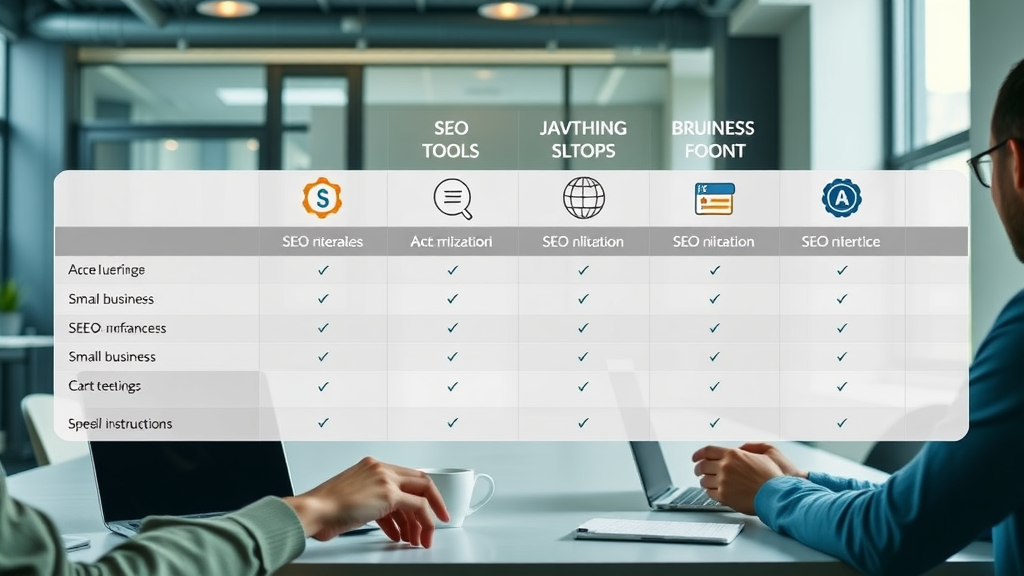
The right AI SEO tools can make all the difference for small business owners who want to compete in their market, even if they lack a large marketing budget. Below is a side-by-side comparison of leading AI-powered solutions for managing and improving your local SEO, including whether they offer a free tool option and what sets each apart.

AI SEO Tool Best For Free Tool Option? Key Feature
BrightLocal Comprehensive Local SEO Tracking Partial AI-driven citation management & rank tracker
Semrush Local Keyword & Local Pack Analysis No Competitive local ranking factor insights
Moz Local Business Profile Management Trial Business info accuracy and Google Business Profile updates

AI seo tools comparison for local seo showing BrightLocal, Semrush Local, Moz Local interfaces alongside small business icons in a coworking space

Using AI Tools to Manage Local Business Info

Managing your business info across dozens of directories, platforms, and search engines becomes simple and almost foolproof with the help of AI tools. These systems check NAP (Name, Address, Phone) consistency, alert you to mismatches, and help you update your business profile in one place. By automating business info management, you avoid costly mistakes that can lead to lost local rankings and missed calls or visits. With platforms like Moz Local and BrightLocal, you can even schedule changes to go live during business transitions or expansions—providing a seamless and professional customer experience, while boosting your business’s local search visibility.

Tracking Local Rankings with AI Rank Tracker Solutions

Knowing how your business ranks in local search results is crucial for ongoing local SEO success. AI-based rank tracker solutions let you monitor your position in the local pack, on Google Maps, and in organic listings across different cities or zip codes. These tools offer real-time updates, spot ranking factor changes, and deliver actionable recommendations. Rather than guesswork or manual spot-checking, AI rank trackers keep you informed about where you stand versus competitors—so you can react quickly to changes and maintain your position at the top. This continuous feedback lets you focus efforts where they matter most, maximizing ROI and visibility.

Optimizing Your Google Business Profile with AI

Why Google Business Profile Is Vital for Local SEO

Your Google Business Profile is the frontline of your local SEO efforts. It’s the first thing customers see when searching local results on Google Search and Google Maps—sometimes even before your website appears. Creating and maintaining an up-to-date business profile, which includes your phone number, address, services, and reviews, helps customers find and choose your business. Google gives extra weight to business listings that are robust and accurate, directly influencing your local ranking and placement in the coveted local pack. Without an optimized profile, even the best website could be invisible to local customers!

Using AI to Enhance and Automate Your Business Profile

Today, most customers expect instant information and fast updates. AI-powered tools can help automate business profile tasks—such as responding to Google reviews, updating service hours, and making sure all your business info remains current on Google Maps and other listing directories. Some platforms even recommend ways to improve your profile for higher local search rankings, like encouraging more frequent customer reviews, adding fresh images, and suggesting new keywords or trending services. Automation minimizes errors, builds trust with both customers and search engines, and keeps your business ahead of local SEO trends.

business owner updating business profile with ai-optimized google business profile tools, local seo storefront with plants and signage

Case Study: Real Local Businesses Benefiting from AI-Driven Profiles

Consider a family-run bakery that struggled to appear in the local pack, despite rave customer feedback. By using AI to audit their Google Business Profile and schedule regular updates for hours, photos, and special offers, their local search presence noticeably improved. Within weeks, the business saw a 35% increase in map views and a spike in direct calls from potential customers searching “bakery near me.” Similar results have been reported by small legal firms and home service providers—those who consistently utilize AI for business profile management consistently outperform competitors on local rankings, reviews, and customer engagement.

Implementing an AI-Driven Local SEO Strategy

Step-by-Step: Building Your Local SEO Strategy with AI

  1. Audit your current local SEO performance using AI tools.
  2. Identify and update all business profiles (Google Business, Yelp, Facebook, etc.).
  3. Analyze local keywords with AI SEO tools.
  4. Utilize AI to monitor local pack and search results.
  5. Leverage AI insights to adjust content, targeting, and ongoing local ranking factors.

By following these steps, local business owners with limited technical experience can leverage AI to enter the local SEO game—and win. Auditing with powerful SEO tools uncovers gaps and inconsistencies in your listings, while AI-driven research pinpoints the exact keywords that customers are typing into search engines. Regular profile updates, keyword adjustments, and monitoring local rankings ensure your business remains relevant and highly visible to those searching close by.

Measuring Local SEO Success: Key AI Metrics

It’s not enough just to optimize—tracking your progress is critical. The most important metrics for local SEO include your position in the local pack, volume of calls or website visits from Google Maps, number and quality of Google reviews, and improvements in foot traffic or bookings traced to local search results. AI analytics dashboards bring all these stats together in one place, presenting easy-to-read graphs and actionable recommendations. Modern AI SEO tools can now pinpoint exactly where changes deliver results and help you continuously refine your local SEO strategy, keeping your business competitive month after month.
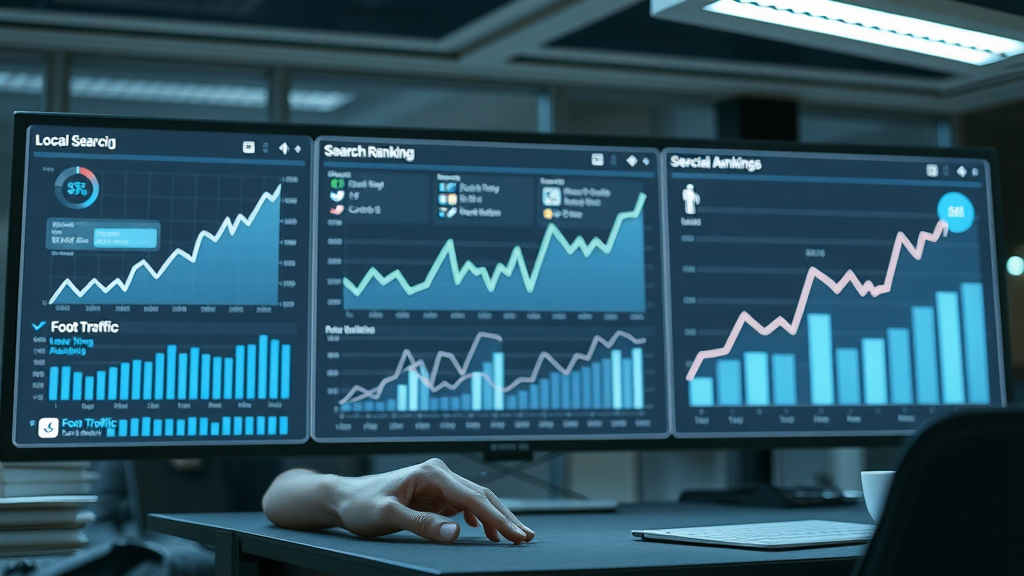
ai analytics dashboard showing rising local search rankings and foot traffic graphs for small businesses

Common Mistakes in AI-Driven Local SEO Implementation

  • Neglecting to update business info regularly
  • Failing to monitor all local ranking factors
  • Underutilizing free tool features
  • Overlooking customer review management with AI

Always remember: Consistency and monitoring matter most. Make it a habit to regularly use AI recommendations for business info updates and to check ranking factor changes. Free tool options often come with hidden capabilities—don’t miss out. Managing Google reviews and keeping your Google Maps listing accurate are vital to staying ahead.

People Also Ask: Common Questions About Local SEO

What does local SEO mean?

Local SEO refers to the strategies and practices that help your business show up in search engine results—specifically in response to searches with local intent, like “near me” or “[service] in [city].” This lets you connect with customers looking for specific services or products in your immediate area, increasing your chances of being visited or contacted directly from local search platforms.

customer searching nearby businesses on smartphone for local seo in a city café

Is doing a local SEO worth it?

Absolutely. Local SEO is one of the most cost-effective marketing strategies for small businesses, delivering a high return on investment. By improving your visibility in local search and Google Maps, you attract more targeted customers ready to buy, boosting both foot traffic and sales with less ad spend and less effort than traditional advertising.

How much does local SEO cost in the US?

The cost of local SEO varies by provider and the amount of work required. Basic plans start around $300–$500/month for managed services, while many powerful AI SEO tools offer free trials or low-cost subscriptions ($20–$99/month). The investment pays off quickly by increasing your search engine visibility and bringing in local customers.

What is the difference between local SEO and normal SEO?

Local SEO targets search results for users in your immediate area, emphasizing business info, reviews, and Google Maps presence. Regular or organic SEO generally aims to rank your website nationally or globally, focusing on content, backlinks, and technical SEO factors. For businesses that rely on local clients, local SEO strategies are much more effective.

Frequently Asked Questions: Local SEO and AI

What are the ranking factors for local SEO?

The main ranking factors for local SEO include: accurate business info (name, address, phone); number and quality of Google reviews; distance from the searcher; local keyword usage; local business directory presence; and how complete your Google Business Profile is. AI SEO tools track these and make it easier to address gaps or errors.

How does an AI seo tool differ from traditional solutions?

Unlike manual SEO, AI SEO tools analyze massive amounts of search data in seconds, automate updates, and suggest real-time improvements to business profiles and content. They simplify tracking your local rankings, manage reviews, and optimize for emerging trends—making ongoing SEO easier even if you have little technical experience.

Are there free AI tools for local SEO?

Yes—many AI-powered SEO tools offer free or trial versions with core features for keyword analysis, local ranking tracking, and business info updates. Platforms like BrightLocal and Moz Local have limited free tool options, while Google’s own tools (like Google Business Profile Insights) provide valuable local SEO analytics without any cost.

How can I use AI to manage my business profile on Google Maps?

AI-driven platforms update business info, photos, and offers directly on Google Maps, monitor and respond to reviews, and even suggestions for content to improve your ranking in the local pack. By automating these tasks, you ensure your Google Maps listing stands out and attracts more customers effortlessly.

tech-savvy local business owner managing google maps and business profile using AI tools

Key Takeaways: Why Your Local Business Needs AI-Driven Local SEO

  • AI empowers small businesses to compete with larger brands in local ranking.
  • Automated keyword research and profile management improve search engine visibility.
  • Monitoring local pack results is easy with advanced AI SEO tools.
  • Consistent updates to business info drive more local search traffic.
  • Taking action now keeps your business ahead of local SEO trends.

Conclusion: Embrace AI and Transform Your Local SEO Today

"No business is too small for local SEO. With AI, every business owner has the tools needed to be found and chosen by customers nearby." – Digital Marketing Consultant

Set Your Business Up To Succeed: Make an Appointment to Learn How to Optimize AI Tools in Your Business

Ready to transform your local SEO? Set your business up to succeed—book an appointment today to learn how to leverage the best AI tools for your business and start winning with local SEO!

Local SEO is a powerful tool that can significantly enhance a small business’s online presence and customer engagement. By optimizing for local search, businesses can increase their visibility to nearby customers actively seeking their products or services.

For a comprehensive understanding of how local SEO can benefit your business, consider reading the article “How Local SEO Benefits Small Businesses” by the U.S. Chamber of Commerce. This resource outlines seven key advantages, including increased local brand awareness, cost-effective marketing strategies, and building trust and credibility with your target audience. (uschamber.com)

Additionally, the article “The Benefits and Importance of Local SEO” by BrightLocal delves into ten specific benefits, such as better online visibility, more in-store foot traffic, and improved conversion rates. It also provides practical insights into how local SEO can help your business become more competitive in your local market. (brightlocal.com)

By exploring these resources, you’ll gain valuable insights into implementing effective local SEO strategies that can drive growth and success for your small business.


Tech & Innovation

6 Views

0 Comments

Write A Comment

*
*
Related Posts All Posts
09.01.2025

Personalized Email Campaigns Using AI: A Game-Changer for Restaurants

Imagine boosting your customer engagement by nearly 30% overnight—sounds impossible, right? The truth is, restaurants that embrace personalized email campaigns powered by AI are doing just that. In an industry where every seat counts, modern tools like AI-driven email marketing create a targeted edge, helping restaurants turn casual diners into loyal fans. This comprehensive guide unpacks how personalized email campaigns are revolutionizing the food industry—and how any restaurant, regardless of technical experience, can leverage these tools to thrive in a competitive market. Opening Insights Into Personalized Email Campaigns For restaurant owners navigating today’s crowded market, getting the right message to the right guest at the right time can seem overwhelming. That’s where personalized email campaigns step in, using technology and customer data to deliver highly relevant content. Unlike one-size-fits-all marketing campaigns, personalization tailors every subject line and offer to the recipient, dramatically increasing open rates, engagement, and revenue. Recent research highlights that AI-powered personalized email campaigns can uplift engagement by up to 29% compared to traditional campaigns—a clear sign that personalization is more than a passing trend. It’s an essential strategy for restaurants wanting to stand out, boost reservations, and build lasting customer relationships. “Restaurants that use AI-powered personalized email campaigns see engagement rates jump by up to 29% compared to traditional campaigns.” The Surprising Power of Personalized Email Campaigns in the Restaurant Industry Personalized email campaigns are driving a paradigm shift for restaurants. With crowded inboxes, generic messages often go unopened. But by using customer data and AI to craft targeted emails—special birthday offers, personalized event invitations, or menu recommendations—restaurants can resonate on a more personal level. This tailored approach increases engagement, open rates, and even conversion rates, as customers are far more likely to act on an email that feels like it was written just for them. The result? More loyal guests, fuller tables, and a palpable boost to both reputation and revenue. Don't underestimate the effect of replacing broad marketing campaigns with precision-targeted engagement—it's often the single difference between average and outstanding results. What You'll Learn About Personalized Email Campaigns The core concepts behind personalized email campaigns How AI is changing email marketing for restaurants Practical steps to implement AI-driven personalized emails Real-world results and performance benchmarks Best practices to maximize open rates and ROI Understanding Personalized Email Campaigns What Are Personalized Email Campaigns? [PAA] Defining Email Personalization and Its Relevance Personalized email campaigns are marketing emails crafted and sent based on individual customer data, preferences, and behaviors. Instead of sending a generic message to hundreds or thousands of recipients, these campaigns use details like name, previous orders, dining habits, and even favorite menu items to create a customized experience. Email personalization isn't about flooding inboxes—it’s about building meaningful connections. For restaurants, this means every email can highlight a special offer on a guest’s birthday, or recommend dishes similar to their last order. This targeted approach results in higher engagement and dramatically improves the chances your message will spark action—whether that's making a reservation, ordering takeout, or redeeming a loyalty reward. Key Benefits of Personalized Email Campaigns for Restaurants The biggest advantage of personalized email marketing for restaurants is that it leads to higher open rates, better engagement, and increased revenue. When a customer receives an email with a personalized subject line and tailored content—like exclusive offers based on their purchase history—they are more likely to open it and respond. Studies show that personalized email campaigns can deliver a significant lift in open rate and conversion rates, helping restaurants fill more seats and foster loyalty. Moreover, when customers feel recognized and valued through relevant content, they are much more inclined to return and spread the word, making personalization a cornerstone of effective restaurant marketing campaigns. The Role of AI in Personalized Email Campaigns How Artificial Intelligence Enables Email Personalization Artificial Intelligence (AI) has revolutionized email personalization, making it far more efficient, scalable, and effective for restaurants. AI-powered tools analyze customer data in real-time—such as order history, dining preferences, and even responses to previous campaigns—to generate highly relevant content for each recipient. Rather than manually segmenting customers, AI can auto-segment and craft the perfect message for each guest, from a dynamic subject line to product recommendations. This use of AI enables restaurants to move beyond basic email blasts and deliver targeted email content that creates a stronger emotional connection and dramatically increases both open rates and conversions. Dynamic Content: Tailoring Email Content for Every Customer Modern AI platforms excel at creating dynamic content—unique email sections that change based on each customer’s attributes and behaviors. For instance, one guest might receive a dinner reservation offer with a recommended appetizer, while another gets an email about an upcoming wine tasting event based on their past ordering patterns. By automating the selection of images, text, and product recommendations, dynamic content transforms each email from a static message to a living, personalized experience. The result? Higher engagement rates, more bookings, and stronger customer loyalty. From List Segmentation to Real-Time Targeted Email Traditional list segmentation—grouping guests by demographic, visit history, or occasion—remains valuable. But AI supercharges this process by leveraging real-time data to send highly targeted emails at the perfect moment. For example, AI can trigger a campaign to diners who haven’t visited in three months or instantly send a celebratory email on a guest’s birthday. These timely, personalized emails maximize relevance, increase engagement, and drive results. The evolution from static list segmentation to AI-driven, real-time targeting is at the heart of why personalized email campaigns are so powerful for restaurants today. Email Marketing Fundamentals for Restaurants What is the 80/20 Rule in Email Marketing? [PAA] Why Focusing on High-Value Customers Matters in Email Campaigns The 80/20 rule in email marketing refers to the idea that roughly 80% of your results come from 20% of your customers or marketing tactics. For restaurants, this means that focusing your efforts on high-value diners—those who visit often or spend more—yields the best return on investment for your email campaign. Personalized content, timely offers, and special programs for this core segment can dramatically lift conversion rates. By continually analyzing which campaigns and audience segments deliver the biggest gains, you can refine your marketing strategy to deliver emails that matter, and avoid wasting resources on broad, low-impact campaigns. Simple Strategies for Restaurant Marketing Campaigns Using Email Optimizing subject lines for higher open rates: Use the recipient’s name, highlight a special offer, or create urgency (e.g., “Mark, your table is waiting—exclusive dinner for two!”) Segmenting lists for targeted emails: Divide your email list by visit frequency, preferred menu items, or past engagement to send more relevant content. Timing your email campaigns: Schedule emails to arrive at key decision-making times, like mid-week reminders for weekend reservations or post-dinner thank-you messages. The Science of Personalized Email Campaigns Do Personalized Emails Perform Better? [PAA] Data-Driven Insights: Open Rates, Engagement, and ROI Personalized emails consistently outperform generic messages in the restaurant industry. Campaigns that feature a personalized subject line can increase open rates by up to 50%, while tailored offers and dynamic content further boost conversion rates. Data shows that restaurants achieve a far better return on investment (ROI) from targeted email campaigns, sometimes generating up to six times more revenue per email than non-personalized efforts. The power of personalized email marketing lies in its ability to create genuine, relevant connections that drive both immediate action and long-term guest loyalty. Email Personalization Techniques Personalized Subject Lines: Boosting Open Rates Crafting a personalized subject line is the first—and sometimes most important—step to increasing open rates. Including the recipient’s name, referencing their last visit, or teasing a unique offer helps the email stand out in even the busiest inboxes. For example: “Anna, enjoy your favorite dessert on us this Friday!” Personalized subject lines demonstrate that your restaurant values each guest as an individual, not just another email address. Dynamic Content Blocks: Contextual Email Content Dynamic content blocks allow you to display different menu items, promotions, or event invitations to various guests—all from a single email template. Whether highlighting vegetarian specials to plant-based diners or promoting family deals to regular group visitors, dynamic content ensures every recipient sees what matters to them. This leads to higher engagement and makes each email campaign more relevant and effective. Leveraging Purchase History in Email Campaigns Your guests’ purchase history is a goldmine for creating irresistible, contextual marketing messages. By referencing past orders or celebrating past milestones (like their first anniversary dinner at your restaurant), you can offer product recommendations that encourage repeat business. For example, if a guest often orders a particular wine, a targeted email featuring a new pairing or limited-time discount will resonate more deeply and increase the likelihood they’ll return and make a purchase. Step-by-Step: Setting Up Personalized Email Campaigns Using AI Choosing an AI-Powered Email Marketing Platform To get started, select an AI-powered marketing platform built for restaurants. Popular choices include solutions like Mailchimp, Constant Contact, and specialized tools designed for hospitality businesses. Choose a platform with easy-to-use personalization, automation, and analytics. Look for features such as easy list segmentation, drag-and-drop campaign builders, and the ability to automate personalized offers or event triggers. Many platforms now offer guided setup and templates to ensure even non-technical users can launch effective, targeted email campaigns. Segmenting Your Audience for Targeted Email Campaigns Audience segmentation is the foundation of every successful personalized email campaign. Start by breaking your customer list into logical groups: frequent visitors, first-timers, special event guests, and lapsed customers. Use what you know—like preferred reservation times, menu favorites, or birthday month—to create targeted email lists for each group. AI tools make this even easier, analyzing behavior and automatically creating segments that adjust as new data flows in. The more precisely you segment, the more relevant (and successful) your campaigns will be. Creating Personalized Emails: Real-Life Restaurant Examples Bring your campaigns to life by combining personalization and creativity. For a birthday campaign, push an email with a personalized subject line—“Happy Birthday, Jamie! Celebrate with a free dessert”—and use dynamic content blocks to highlight menu items based on past orders. For loyal regulars, craft a re-engagement campaign: “We miss you, Maria! Enjoy your favorite pasta on us.” Sharing images of familiar staff, personalized messages, and targeted offers encourages customers to return and refer friends. Small touches, powered by AI, yield big results for any restaurant marketing campaign. Testing and Measuring Open Rates, Clicks, and Conversions Once your personalized email marketing campaign is live, it’s crucial to measure performance. Most email marketing platforms provide dashboards to track open rate, click rates, and conversion rates in real time. Use A/B testing to experiment with different subject lines, send times, or dynamic content blocks to discover what resonates best with your audience. Monitoring these key metrics not only improves current campaigns but also gives you data-driven insights to inform future marketing strategy. Iterating Personalized Email Campaigns for Better Results Effective email marketing is an ongoing process. Use campaign results to fine-tune your approach—adjusting frequency, testing new subject lines, or experimenting with fresh offers and content. By continually iterating based on results, you ensure your personalized email campaigns stay relevant, engaging, and profitable over the long term. Tools Spotlight: Can Mailchimp Send Personalized Emails? [PAA] Setting Up AI-Driven Personalized Email Marketing in Mailchimp Mailchimp is a leading email marketing solution with robust personalization features perfect for restaurants. With Mailchimp, you can automate personalized subject lines, segment your lists based on dining patterns, and set up triggered campaigns for birthdays, anniversaries, or lapsed visits. The platform’s AI recommends optimal send times, builds smart segments, and provides performance dashboards without the need for advanced tech skills. For a restaurant aiming to personalize at scale, Mailchimp’s user-friendly approach is an excellent starting point. Pros and Cons of Mailchimp vs. Competitors Mailchimp’s key strengths include ease of use, a large library of templates, and comprehensive personalization options. However, advanced users might find its AI features less sophisticated than some newer, restaurant-specific tools. Compared to platforms like Constant Contact, Mailchimp offers better automation and analytics but may lack deep hospitality industry integrations found in niche solutions. Evaluate your needs—such as integration with your reservation system—before choosing a marketing platform for your email campaigns. Other Top AI-Powered Email Marketing Tools for Restaurants Beyond Mailchimp, options like Constant Contact, Sender, and restaurant-focused tools (e.g., SevenRooms, OpenTable Marketing Suite) deliver AI-powered personalization, list segmentation, and restaurant-centric analytics. Explore platforms offering features like dynamic menu recommendations, loyalty integrations, and deep customer analytics to optimize your personalized email marketing efforts even further. Comparison of Email Marketing Platforms for Personalized Email Campaigns Platform AI Personalization Best For Ease of Use Integration with Restaurant Tools Mailchimp High General email marketing, automation Easy Good (via Zapier) Constant Contact Medium Simple campaigns Very Easy Moderate Sender Medium Transactional/restaurants on a budget Easy Limited SevenRooms High Hospitality/advanced segmentation Moderate Excellent OpenTable Marketing Suite High Integrated reservations + marketing Easy Excellent Email Personalization: Best Practices for Restaurants How to collect useful customer data ethically: Always request consent before gathering guest data. Use loyalty programs, reservation forms, and voluntary feedback to build your database. Opt-in strategies to grow your targeted email lists: Offer entry into contests, discounts, or a welcome drink in exchange for signing up to your mailing list. Crafting irresistible subject lines for better open rates: Personalize every subject line and mention exclusive benefits to make guests feel valued. Combining email personalization and loyalty programs: Send tailored rewards or personalized invitations to loyalty members based on their visit history. Case Studies: Real Results from Personalized Email Campaigns Restaurant A: Increasing Reservations with Dynamic Content Restaurant A used AI-driven dynamic content to customize reservation reminder emails for their guests. By referencing each guest’s usual party size and favorite dishes, open rates soared, and reservation completions climbed by 30%. Guests responded enthusiastically to the relevant content, leading to more repeat bookings and glowing reviews. Restaurant B: Improving Open Rate Through Personalized Subject Lines By testing creative, personalized subject lines and referencing recent guest experiences, Restaurant B boosted their open rate by 35% in just three months. They realized that the extra effort in crafting compelling, individualized subject lines led to significantly better engagement and more diners through the door. “Last year, our open rates soared by 35% after implementing AI-powered personalized emails.” – Restaurant Owner Restaurant C: Enhancing Guest Loyalty Through Timely Targeted Emails Restaurant C combined timely, targeted emails with their loyalty program to reward customers right after a visit. By sending personalized thank-you notes and tailored offers just days after dining, they increased guest return rates by 22% and saw a marked improvement in overall satisfaction and word-of-mouth referrals. Common Pitfalls in Personalized Email Campaigns Avoiding Over-Personalization and Privacy Concerns While personalization boosts engagement, over-personalizing emails—or relying on sensitive customer data without consent—can feel intrusive and damage trust. Be transparent about how customer data is used, always seek consent, and avoid using details that may seem overly specific or invasive. The best campaigns create a sense of recognition and value without crossing privacy boundaries. Managing Frequency: How Many Emails Are Too Many? Striking the right balance is key. Too many emails can overwhelm guests and cause unsubscribes, while too few may lead to missed opportunities for engagement. Monitor open rates and feedback to find your optimal frequency, and empower customers with easy preferences and opt-out options. Remember, the goal is meaningful touchpoints—not a flooded inbox. Ensuring Quality Email Content in Every Campaign Never sacrifice quality content for the sake of automation. Each personalized email marketing campaign must deliver real value—whether that’s a tempting offer, an exclusive invitation, or helpful news. High-quality, relevant content builds brand credibility and keeps your audience eager for the next communication. FAQs About Personalized Email Campaigns for Restaurants How soon do AI-powered email campaigns show results? Most restaurants see measurable improvements in open rate and engagement within a few weeks, though best results come with ongoing testing and refinement. Do personalized emails require customer data consent? Yes, collecting and using customer data for personalized email campaigns requires clear consent to build trust and comply with regulations. What's the average ROI for personalized email marketing in restaurants? Personalized email campaigns typically deliver an ROI of 3–6 times higher than standard campaigns, mainly due to better targeting and increased guest satisfaction. Are AI-driven emails more likely to land in spam folders? Not if best practices are followed—using ethical data collection, proper subject lines, and engaging, relevant content keeps emails out of spam. Do you need tech expertise to personalize emails? No. Modern AI-powered email marketing platforms are built for ease of use, with simple dashboards and guided setup, making personalization accessible to all operators. Table: Key Metrics to Track in Personalized Email Campaigns Key Metrics for Restaurant Personalized Email Campaigns Metric Description Industry Benchmark Open Rate % of people who opened the email 17-30% Click Rate % who clicked links inside 2-5% Conversion % who completed a booking/goal 1-3% Expert Quotes on Email Personalization in Restaurants “Personalized email marketing isn't just a trend—it's the future of restaurant engagement.” – Marketing Consultant People Also Ask About Personalized Email Campaigns What are personalized email campaigns? Personalized email campaigns are marketing messages tailored to the recipient’s preferences, behavior, and interests, enabling higher engagement and relevancy. What is the 80/20 rule in email marketing? The 80/20 rule in email marketing suggests that 80% of a campaign’s outcomes (sales, engagement) come from 20% of the recipients or strategies, emphasizing the importance of targeting high-value customers. Do personalized emails perform better? Yes. Personalized emails, particularly those using AI for personalization, typically achieve higher open rates, click rates, and conversions than generic campaigns. Can Mailchimp send personalized emails? Mailchimp offers robust personalization tools, allowing you to tailor email content, subject lines, and timing based on customer data, making it suitable for personalized campaigns. Key Takeaways from Implementing Personalized Email Campaigns AI-driven personalized email campaigns can dramatically improve marketing outcomes for restaurants. Careful segmentation and dynamic content are essential for targeted email success. Personalized subject lines and relevant content directly impact open rates and conversions. Simple setup is possible even for businesses with minimal tech background. Conclusion: Embracing Personalized Email Campaigns for Restaurant Success Summing Up the Importance of Personalized Email Campaigns with AI Personalized email campaigns powered by AI aren’t just an upgrade—they’re an essential marketing tool for restaurants ready to boost engagement, drive reservations, and build lifelong guest loyalty. Set Your Business Up To Succeed: Make An Appointment To Learn How to Optimize AI Tools In Your Business Ready to see real results? Set your business up to succeed—make an appointment today to discover how AI tools can revolutionize your restaurant’s marketing strategy. To enhance your understanding of personalized email campaigns, consider exploring the following resources: “Personalized Email Marketing: 9 Strategies for Marketers” (clevertap.com) This article outlines nine effective strategies for achieving personalization in email marketing, including audience segmentation, dynamic content utilization, and behavioral triggers. “Personalized Email Marketing: Why Personalization Matters for Email Marketing” (klaviyo.com) This resource delves into advanced segmentation, automated cross-channel engagement, and AI-powered optimization, providing insights into how personalization can enhance email marketing efforts. If you’re serious about leveraging personalized email campaigns to boost customer engagement and drive revenue, these resources will provide you with actionable strategies and insights to implement in your marketing efforts.

Terms of Service

Privacy Policy

Core Modal Title

Sorry, no results found

You Might Find These Articles Interesting

T
Please Check Your Email
We Will Be Following Up Shortly
*
*
*