


Imagine boosting your customer engagement by nearly 30% overnight—sounds impossible, right? The truth is, restaurants that embrace personalized email campaigns powered by AI are doing just that. In an industry where every seat counts, modern tools like AI-driven email marketing create a targeted edge, helping restaurants turn casual diners into loyal fans. This comprehensive guide unpacks how personalized email campaigns are revolutionizing the food industry—and how any restaurant, regardless of technical experience, can leverage these tools to thrive in a competitive market.
Opening Insights Into Personalized Email Campaigns
For restaurant owners navigating today’s crowded market, getting the right message to the right guest at the right time can seem overwhelming. That’s where personalized email campaigns step in, using technology and customer data to deliver highly relevant content. Unlike one-size-fits-all marketing campaigns, personalization tailors every subject line and offer to the recipient, dramatically increasing open rates, engagement, and revenue. Recent research highlights that AI-powered personalized email campaigns can uplift engagement by up to 29% compared to traditional campaigns—a clear sign that personalization is more than a passing trend. It’s an essential strategy for restaurants wanting to stand out, boost reservations, and build lasting customer relationships.
“Restaurants that use AI-powered personalized email campaigns see engagement rates jump by up to 29% compared to traditional campaigns.”
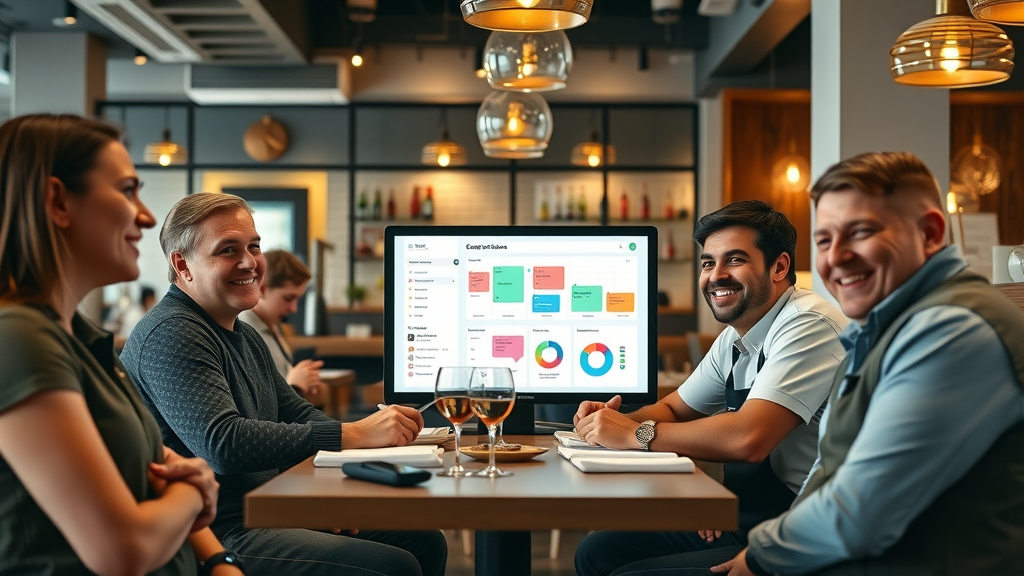
The Surprising Power of Personalized Email Campaigns in the Restaurant Industry
Personalized email campaigns are driving a paradigm shift for restaurants. With crowded inboxes, generic messages often go unopened. But by using customer data and AI to craft targeted emails—special birthday offers, personalized event invitations, or menu recommendations—restaurants can resonate on a more personal level. This tailored approach increases engagement, open rates, and even conversion rates, as customers are far more likely to act on an email that feels like it was written just for them. The result? More loyal guests, fuller tables, and a palpable boost to both reputation and revenue. Don't underestimate the effect of replacing broad marketing campaigns with precision-targeted engagement—it's often the single difference between average and outstanding results.
What You'll Learn About Personalized Email Campaigns
- The core concepts behind personalized email campaigns
- How AI is changing email marketing for restaurants
- Practical steps to implement AI-driven personalized emails
- Real-world results and performance benchmarks
- Best practices to maximize open rates and ROI
Understanding Personalized Email Campaigns
What Are Personalized Email Campaigns? [PAA]
Defining Email Personalization and Its Relevance
Personalized email campaigns are marketing emails crafted and sent based on individual customer data, preferences, and behaviors. Instead of sending a generic message to hundreds or thousands of recipients, these campaigns use details like name, previous orders, dining habits, and even favorite menu items to create a customized experience. Email personalization isn't about flooding inboxes—it’s about building meaningful connections. For restaurants, this means every email can highlight a special offer on a guest’s birthday, or recommend dishes similar to their last order. This targeted approach results in higher engagement and dramatically improves the chances your message will spark action—whether that's making a reservation, ordering takeout, or redeeming a loyalty reward.
Key Benefits of Personalized Email Campaigns for Restaurants
The biggest advantage of personalized email marketing for restaurants is that it leads to higher open rates, better engagement, and increased revenue. When a customer receives an email with a personalized subject line and tailored content—like exclusive offers based on their purchase history—they are more likely to open it and respond. Studies show that personalized email campaigns can deliver a significant lift in open rate and conversion rates, helping restaurants fill more seats and foster loyalty. Moreover, when customers feel recognized and valued through relevant content, they are much more inclined to return and spread the word, making personalization a cornerstone of effective restaurant marketing campaigns.

The Role of AI in Personalized Email Campaigns
How Artificial Intelligence Enables Email Personalization
Artificial Intelligence (AI) has revolutionized email personalization, making it far more efficient, scalable, and effective for restaurants. AI-powered tools analyze customer data in real-time—such as order history, dining preferences, and even responses to previous campaigns—to generate highly relevant content for each recipient. Rather than manually segmenting customers, AI can auto-segment and craft the perfect message for each guest, from a dynamic subject line to product recommendations. This use of AI enables restaurants to move beyond basic email blasts and deliver targeted email content that creates a stronger emotional connection and dramatically increases both open rates and conversions.
Dynamic Content: Tailoring Email Content for Every Customer
Modern AI platforms excel at creating dynamic content—unique email sections that change based on each customer’s attributes and behaviors. For instance, one guest might receive a dinner reservation offer with a recommended appetizer, while another gets an email about an upcoming wine tasting event based on their past ordering patterns. By automating the selection of images, text, and product recommendations, dynamic content transforms each email from a static message to a living, personalized experience. The result? Higher engagement rates, more bookings, and stronger customer loyalty.
From List Segmentation to Real-Time Targeted Email
Traditional list segmentation—grouping guests by demographic, visit history, or occasion—remains valuable. But AI supercharges this process by leveraging real-time data to send highly targeted emails at the perfect moment. For example, AI can trigger a campaign to diners who haven’t visited in three months or instantly send a celebratory email on a guest’s birthday. These timely, personalized emails maximize relevance, increase engagement, and drive results. The evolution from static list segmentation to AI-driven, real-time targeting is at the heart of why personalized email campaigns are so powerful for restaurants today.
Email Marketing Fundamentals for Restaurants
What is the 80/20 Rule in Email Marketing? [PAA]
Why Focusing on High-Value Customers Matters in Email Campaigns
The 80/20 rule in email marketing refers to the idea that roughly 80% of your results come from 20% of your customers or marketing tactics. For restaurants, this means that focusing your efforts on high-value diners—those who visit often or spend more—yields the best return on investment for your email campaign. Personalized content, timely offers, and special programs for this core segment can dramatically lift conversion rates. By continually analyzing which campaigns and audience segments deliver the biggest gains, you can refine your marketing strategy to deliver emails that matter, and avoid wasting resources on broad, low-impact campaigns.
Simple Strategies for Restaurant Marketing Campaigns Using Email
- Optimizing subject lines for higher open rates: Use the recipient’s name, highlight a special offer, or create urgency (e.g., “Mark, your table is waiting—exclusive dinner for two!”)
- Segmenting lists for targeted emails: Divide your email list by visit frequency, preferred menu items, or past engagement to send more relevant content.
- Timing your email campaigns: Schedule emails to arrive at key decision-making times, like mid-week reminders for weekend reservations or post-dinner thank-you messages.

The Science of Personalized Email Campaigns
Do Personalized Emails Perform Better? [PAA]
Data-Driven Insights: Open Rates, Engagement, and ROI
Personalized emails consistently outperform generic messages in the restaurant industry. Campaigns that feature a personalized subject line can increase open rates by up to 50%, while tailored offers and dynamic content further boost conversion rates. Data shows that restaurants achieve a far better return on investment (ROI) from targeted email campaigns, sometimes generating up to six times more revenue per email than non-personalized efforts. The power of personalized email marketing lies in its ability to create genuine, relevant connections that drive both immediate action and long-term guest loyalty.
Email Personalization Techniques
Personalized Subject Lines: Boosting Open Rates
Crafting a personalized subject line is the first—and sometimes most important—step to increasing open rates. Including the recipient’s name, referencing their last visit, or teasing a unique offer helps the email stand out in even the busiest inboxes. For example: “Anna, enjoy your favorite dessert on us this Friday!” Personalized subject lines demonstrate that your restaurant values each guest as an individual, not just another email address.
Dynamic Content Blocks: Contextual Email Content
Dynamic content blocks allow you to display different menu items, promotions, or event invitations to various guests—all from a single email template. Whether highlighting vegetarian specials to plant-based diners or promoting family deals to regular group visitors, dynamic content ensures every recipient sees what matters to them. This leads to higher engagement and makes each email campaign more relevant and effective.
Leveraging Purchase History in Email Campaigns
Your guests’ purchase history is a goldmine for creating irresistible, contextual marketing messages. By referencing past orders or celebrating past milestones (like their first anniversary dinner at your restaurant), you can offer product recommendations that encourage repeat business. For example, if a guest often orders a particular wine, a targeted email featuring a new pairing or limited-time discount will resonate more deeply and increase the likelihood they’ll return and make a purchase.
Step-by-Step: Setting Up Personalized Email Campaigns Using AI
Choosing an AI-Powered Email Marketing Platform
To get started, select an AI-powered marketing platform built for restaurants. Popular choices include solutions like Mailchimp, Constant Contact, and specialized tools designed for hospitality businesses. Choose a platform with easy-to-use personalization, automation, and analytics. Look for features such as easy list segmentation, drag-and-drop campaign builders, and the ability to automate personalized offers or event triggers. Many platforms now offer guided setup and templates to ensure even non-technical users can launch effective, targeted email campaigns.
Segmenting Your Audience for Targeted Email Campaigns
Audience segmentation is the foundation of every successful personalized email campaign. Start by breaking your customer list into logical groups: frequent visitors, first-timers, special event guests, and lapsed customers. Use what you know—like preferred reservation times, menu favorites, or birthday month—to create targeted email lists for each group. AI tools make this even easier, analyzing behavior and automatically creating segments that adjust as new data flows in. The more precisely you segment, the more relevant (and successful) your campaigns will be.
Creating Personalized Emails: Real-Life Restaurant Examples
Bring your campaigns to life by combining personalization and creativity. For a birthday campaign, push an email with a personalized subject line—“Happy Birthday, Jamie! Celebrate with a free dessert”—and use dynamic content blocks to highlight menu items based on past orders. For loyal regulars, craft a re-engagement campaign: “We miss you, Maria! Enjoy your favorite pasta on us.” Sharing images of familiar staff, personalized messages, and targeted offers encourages customers to return and refer friends. Small touches, powered by AI, yield big results for any restaurant marketing campaign.

Testing and Measuring Open Rates, Clicks, and Conversions
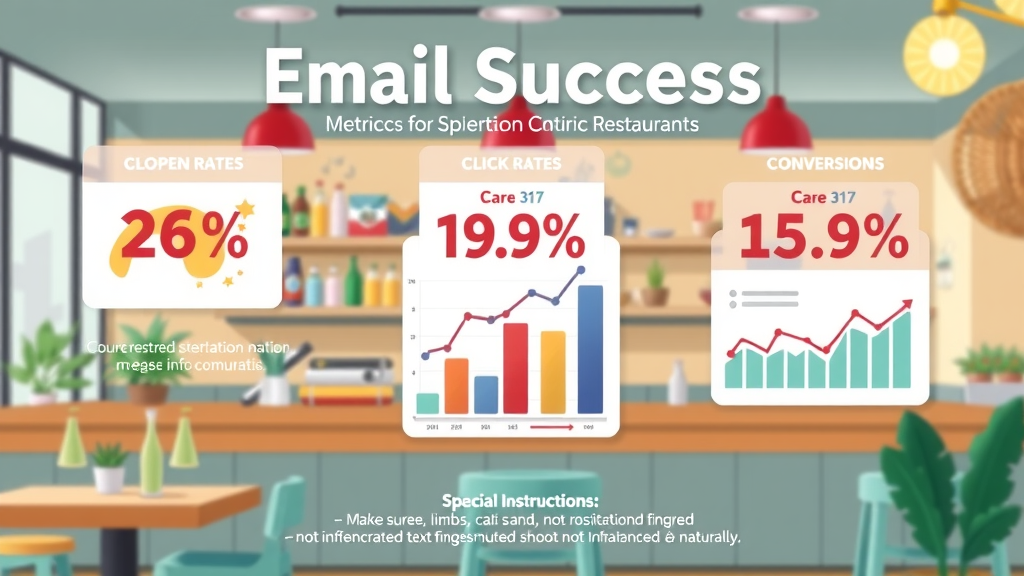
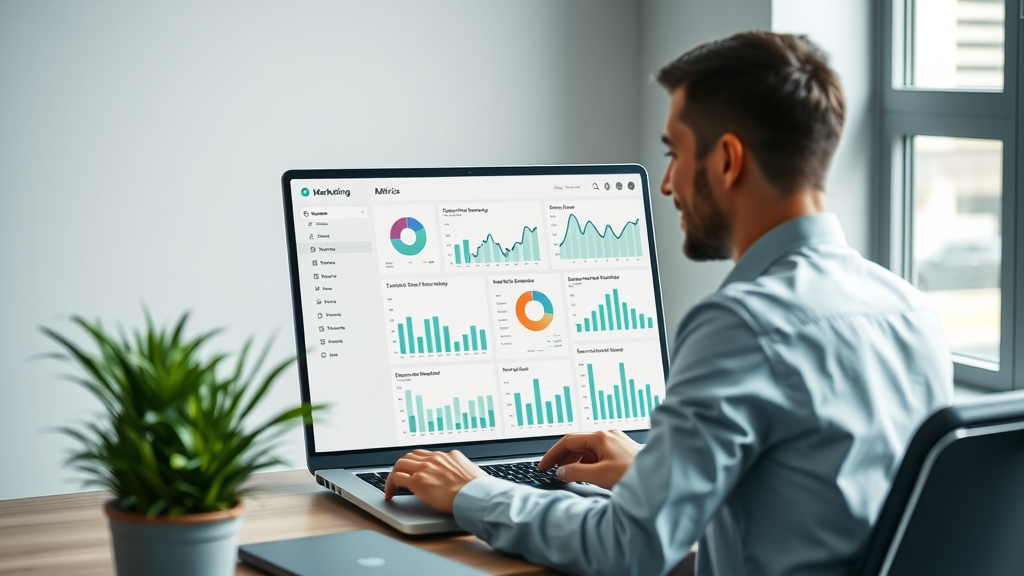
Once your personalized email marketing campaign is live, it’s crucial to measure performance. Most email marketing platforms provide dashboards to track open rate, click rates, and conversion rates in real time. Use A/B testing to experiment with different subject lines, send times, or dynamic content blocks to discover what resonates best with your audience. Monitoring these key metrics not only improves current campaigns but also gives you data-driven insights to inform future marketing strategy.
Iterating Personalized Email Campaigns for Better Results
Effective email marketing is an ongoing process. Use campaign results to fine-tune your approach—adjusting frequency, testing new subject lines, or experimenting with fresh offers and content. By continually iterating based on results, you ensure your personalized email campaigns stay relevant, engaging, and profitable over the long term.
Tools Spotlight: Can Mailchimp Send Personalized Emails? [PAA]
Setting Up AI-Driven Personalized Email Marketing in Mailchimp
Mailchimp is a leading email marketing solution with robust personalization features perfect for restaurants. With Mailchimp, you can automate personalized subject lines, segment your lists based on dining patterns, and set up triggered campaigns for birthdays, anniversaries, or lapsed visits. The platform’s AI recommends optimal send times, builds smart segments, and provides performance dashboards without the need for advanced tech skills. For a restaurant aiming to personalize at scale, Mailchimp’s user-friendly approach is an excellent starting point.
Pros and Cons of Mailchimp vs. Competitors
Mailchimp’s key strengths include ease of use, a large library of templates, and comprehensive personalization options. However, advanced users might find its AI features less sophisticated than some newer, restaurant-specific tools. Compared to platforms like Constant Contact, Mailchimp offers better automation and analytics but may lack deep hospitality industry integrations found in niche solutions. Evaluate your needs—such as integration with your reservation system—before choosing a marketing platform for your email campaigns.
Other Top AI-Powered Email Marketing Tools for Restaurants
Beyond Mailchimp, options like Constant Contact, Sender, and restaurant-focused tools (e.g., SevenRooms, OpenTable Marketing Suite) deliver AI-powered personalization, list segmentation, and restaurant-centric analytics. Explore platforms offering features like dynamic menu recommendations, loyalty integrations, and deep customer analytics to optimize your personalized email marketing efforts even further.
| Platform | AI Personalization | Best For | Ease of Use | Integration with Restaurant Tools |
|---|---|---|---|---|
| Mailchimp | High | General email marketing, automation | Easy | Good (via Zapier) |
| Constant Contact | Medium | Simple campaigns | Very Easy | Moderate |
| Sender | Medium | Transactional/restaurants on a budget | Easy | Limited |
| SevenRooms | High | Hospitality/advanced segmentation | Moderate | Excellent |
| OpenTable Marketing Suite | High | Integrated reservations + marketing | Easy | Excellent |
Email Personalization: Best Practices for Restaurants
- How to collect useful customer data ethically: Always request consent before gathering guest data. Use loyalty programs, reservation forms, and voluntary feedback to build your database.
- Opt-in strategies to grow your targeted email lists: Offer entry into contests, discounts, or a welcome drink in exchange for signing up to your mailing list.
- Crafting irresistible subject lines for better open rates: Personalize every subject line and mention exclusive benefits to make guests feel valued.
- Combining email personalization and loyalty programs: Send tailored rewards or personalized invitations to loyalty members based on their visit history.

Case Studies: Real Results from Personalized Email Campaigns
Restaurant A: Increasing Reservations with Dynamic Content
Restaurant A used AI-driven dynamic content to customize reservation reminder emails for their guests. By referencing each guest’s usual party size and favorite dishes, open rates soared, and reservation completions climbed by 30%. Guests responded enthusiastically to the relevant content, leading to more repeat bookings and glowing reviews.
Restaurant B: Improving Open Rate Through Personalized Subject Lines
By testing creative, personalized subject lines and referencing recent guest experiences, Restaurant B boosted their open rate by 35% in just three months. They realized that the extra effort in crafting compelling, individualized subject lines led to significantly better engagement and more diners through the door.
“Last year, our open rates soared by 35% after implementing AI-powered personalized emails.” – Restaurant Owner
Restaurant C: Enhancing Guest Loyalty Through Timely Targeted Emails
Restaurant C combined timely, targeted emails with their loyalty program to reward customers right after a visit. By sending personalized thank-you notes and tailored offers just days after dining, they increased guest return rates by 22% and saw a marked improvement in overall satisfaction and word-of-mouth referrals.

Common Pitfalls in Personalized Email Campaigns
Avoiding Over-Personalization and Privacy Concerns
While personalization boosts engagement, over-personalizing emails—or relying on sensitive customer data without consent—can feel intrusive and damage trust. Be transparent about how customer data is used, always seek consent, and avoid using details that may seem overly specific or invasive. The best campaigns create a sense of recognition and value without crossing privacy boundaries.
Managing Frequency: How Many Emails Are Too Many?
Striking the right balance is key. Too many emails can overwhelm guests and cause unsubscribes, while too few may lead to missed opportunities for engagement. Monitor open rates and feedback to find your optimal frequency, and empower customers with easy preferences and opt-out options. Remember, the goal is meaningful touchpoints—not a flooded inbox.
Ensuring Quality Email Content in Every Campaign
Never sacrifice quality content for the sake of automation. Each personalized email marketing campaign must deliver real value—whether that’s a tempting offer, an exclusive invitation, or helpful news. High-quality, relevant content builds brand credibility and keeps your audience eager for the next communication.
FAQs About Personalized Email Campaigns for Restaurants
- How soon do AI-powered email campaigns show results? Most restaurants see measurable improvements in open rate and engagement within a few weeks, though best results come with ongoing testing and refinement.
- Do personalized emails require customer data consent? Yes, collecting and using customer data for personalized email campaigns requires clear consent to build trust and comply with regulations.
- What's the average ROI for personalized email marketing in restaurants? Personalized email campaigns typically deliver an ROI of 3–6 times higher than standard campaigns, mainly due to better targeting and increased guest satisfaction.
- Are AI-driven emails more likely to land in spam folders? Not if best practices are followed—using ethical data collection, proper subject lines, and engaging, relevant content keeps emails out of spam.
- Do you need tech expertise to personalize emails? No. Modern AI-powered email marketing platforms are built for ease of use, with simple dashboards and guided setup, making personalization accessible to all operators.
Table: Key Metrics to Track in Personalized Email Campaigns
| Metric | Description | Industry Benchmark |
|---|---|---|
| Open Rate | % of people who opened the email | 17-30% |
| Click Rate | % who clicked links inside | 2-5% |
| Conversion | % who completed a booking/goal | 1-3% |
Expert Quotes on Email Personalization in Restaurants
“Personalized email marketing isn't just a trend—it's the future of restaurant engagement.” – Marketing Consultant
People Also Ask About Personalized Email Campaigns
What are personalized email campaigns?
Personalized email campaigns are marketing messages tailored to the recipient’s preferences, behavior, and interests, enabling higher engagement and relevancy.
What is the 80/20 rule in email marketing?
The 80/20 rule in email marketing suggests that 80% of a campaign’s outcomes (sales, engagement) come from 20% of the recipients or strategies, emphasizing the importance of targeting high-value customers.
Do personalized emails perform better?
Yes. Personalized emails, particularly those using AI for personalization, typically achieve higher open rates, click rates, and conversions than generic campaigns.
Can Mailchimp send personalized emails?
Mailchimp offers robust personalization tools, allowing you to tailor email content, subject lines, and timing based on customer data, making it suitable for personalized campaigns.
Key Takeaways from Implementing Personalized Email Campaigns
- AI-driven personalized email campaigns can dramatically improve marketing outcomes for restaurants.
- Careful segmentation and dynamic content are essential for targeted email success.
- Personalized subject lines and relevant content directly impact open rates and conversions.
- Simple setup is possible even for businesses with minimal tech background.
Conclusion: Embracing Personalized Email Campaigns for Restaurant Success
Summing Up the Importance of Personalized Email Campaigns with AI
Personalized email campaigns powered by AI aren’t just an upgrade—they’re an essential marketing tool for restaurants ready to boost engagement, drive reservations, and build lifelong guest loyalty.
Set Your Business Up To Succeed: Make An Appointment To Learn How to Optimize AI Tools In Your Business
Ready to see real results? Set your business up to succeed—make an appointment today to discover how AI tools can revolutionize your restaurant’s marketing strategy.
To enhance your understanding of personalized email campaigns, consider exploring the following resources:
- “Personalized Email Marketing: 9 Strategies for Marketers” (clevertap.com)
This article outlines nine effective strategies for achieving personalization in email marketing, including audience segmentation, dynamic content utilization, and behavioral triggers.
- “Personalized Email Marketing: Why Personalization Matters for Email Marketing” (klaviyo.com)
This resource delves into advanced segmentation, automated cross-channel engagement, and AI-powered optimization, providing insights into how personalization can enhance email marketing efforts.
If you’re serious about leveraging personalized email campaigns to boost customer engagement and drive revenue, these resources will provide you with actionable strategies and insights to implement in your marketing efforts.



Write A Comment